
ATF MOU Outlines Seattle Metro Intelligence Center

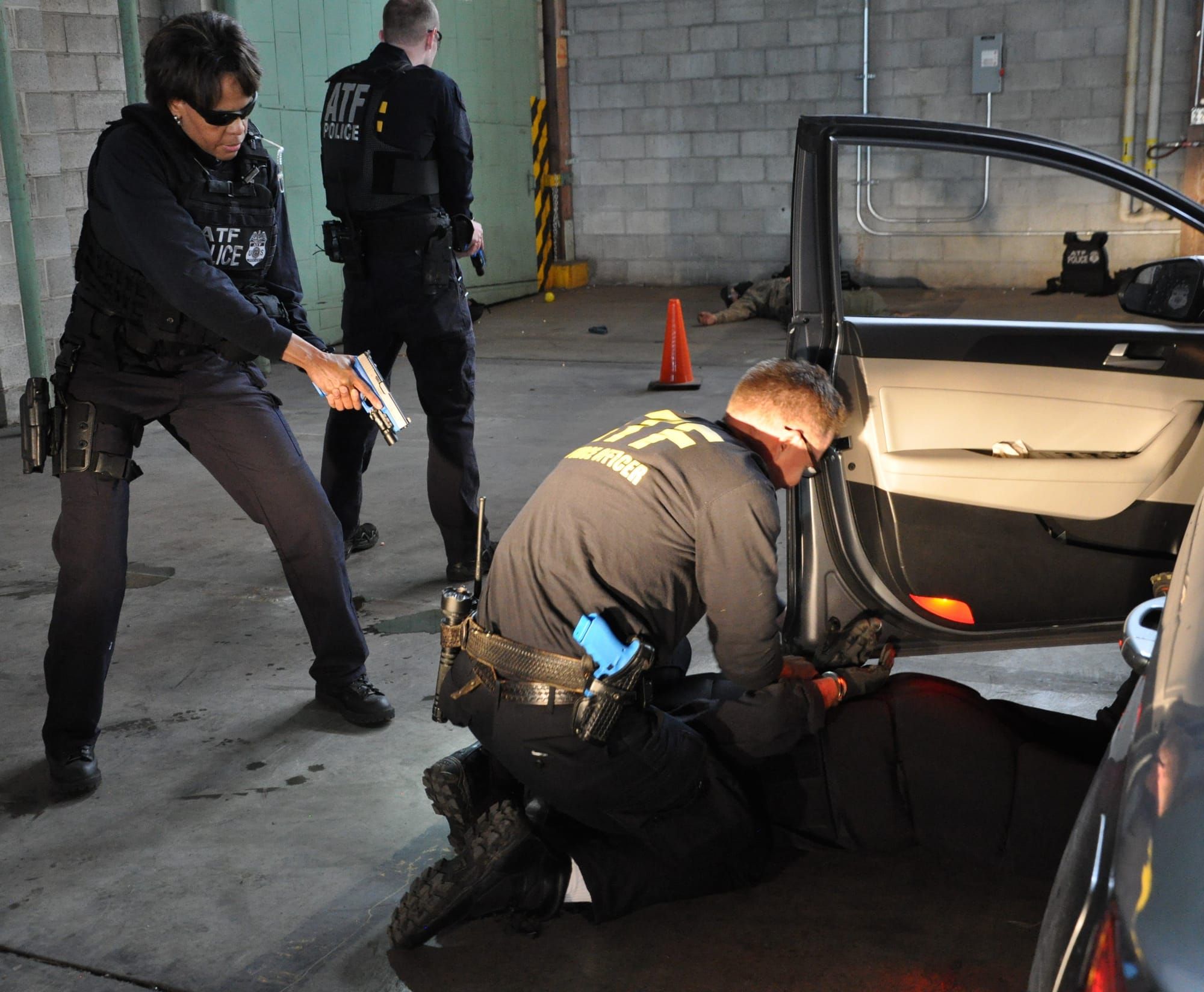
The Federal Bureau of Alcohol, Tobacco, Firearms, and Explosives is operating a regional intelligence center at the ATF's Seattle SoDo office.
According to a Memorandum Of Understanding obtained by HardPressed, the regional Crime Gun Intelligence Center "provides a proactive, intelligence-based identification of violent criminal offenders in the District of Western Washington."
The Seattle CGIC is not publicly identified on a nationwide map of CGICs and the MOU is being published here for the first time.
According to the MOU, the purpose of the CGIC is to gather intelligence and conduct undercover operations, among other goals. Similar to FBI task force agreements, the CGIC MOU requires all law enforcement actions by any signatory to be coordinated and cooperatively carried out. In practice that means that if a federal intelligence investigation is ongoing concerning a violent individual in Seattle, the Seattle Police Department could not take any investigative action or make an arrest without the cooperation of the ATF, even if probable cause was established by SPD to make an arrest.
"In cases of overlapping jurisdiction, as noted above, the participating agencies agree to work in concert to achieve the CGIC's goals and objectives," the MOU states.
The CGIC is also involved in the highly secretive process of analyzing ballistics and documenting firearm tracing. The public and journalists who are interested in understanding the ownership history for a gun involved in a crime are prohibited from obtaining that information from the ATF. The Tiahrt Amendments attached to congressional appropriations bills since 2003 prohibit the ATF from releasing gun trace data to the public, significantly hindering the public's ability to understand the origin of guns involved in crimes.
The initial signatories of the 2015 CGIC MOU include the Seattle Police Department, Kent Police Department, King County Sheriff's Office, Washington State Patrol, Washington State Department of Corrections, King County Prosecuting Attorney's Office, and United States Attorney's Office in the District of Western Washington.
The CGIC MOU further validates a reality that local law enforcement are enmeshed in a network of federal task force agreements, creating a matrix of legal obligations to numerous federal law enforcement agencies.