City Of Seattle To Pay $150,000 To Settle Records Lawsuit Over Texts With Police Monitor Antonio Oftelie & FBI Emails

The city of Seattle and I have agreed to settle a lawsuit I filed in January that alleged violations of the Washington State Public Records Act (PRA).
As part of a settlement agreement inked on June 12, the city will pay $150,000, inclusive of penalties and legal fees, and I will release any legal claims related to public records requests I have made to the Seattle Police Department (SPD).
This agreement comes after the city responded in King County Superior Court, admitting to a partial violation of the PRA after the city's Office of Police Accountability (OPA) sustained allegations of dishonesty against an SPD legal unit employee who was processing one of my public records requests.
A counseling memo uncovered by HardPressed revealed that the same SPD legal unit employee left 79 SPD public records requests unfulfilled past their assigned due dates. According to the memo, one public records request submitted to the SPD appeared to be silently delayed 25 times without notification to the (unknown) requestor.
SPD’s legal unit supervisor, Tara Collings told the OPA in an interview that silent delays are not a common SPD legal unit practice. However, Collings did admit to the OPA that the SPD's legal unit "workloads are astronomical." Delays in fulfilling public records requests within the SPD’s legal unit have been a known liability for the department and a stain on Seattle officials who publicly tout commitments to transparency.
You can listen to Collings and her subordinate's OPA interviews here:
Oftelie Text Messages
The public records requests at issue within this lawsuit settled today included a request for text messages between the SPD’s federal court monitor Antonio Oftelie and former SPD executive Chris Fisher.
The SPD first closed this request without providing any information whatsoever. After I initiated an appeal, the department provided numerous text messages from Fisher's personal cell phone, however there still appeared to be gaps between messages, leading to this lawsuit. Fisher has since left employment with SPD, and no further messages were provided in litigation.
Without my initial appeal of SPD's closure of this records request, my previous report with Prism (linked below) would have never existed:
 Glen Stellmacher
When I emailed Fisher directly, asking if he would be willing to provide the text messages from his personal phone that appeared missing, he did not respond. Oftelie did not respond either when I emailed him, asking about the content of the texts.
A previous forensic audit found that 15,843 text messages were deleted from Fisher’s city-issued phone after the 2020 protests. The records I obtained from his personal cell phone can be found on DocumentCloud.
FBI Emails
The second component within this lawsuit alleged that the SPD was still potentially withholding emails between an SPD officer and the FBI that related to the use of a confidential informant during the 2020 protests. Within their response to my lawsuit, the city wrote that no further responsive records to my request were being withheld. My recent report with Real Change revealed what records I was able to obtain.
Settlement Agreement
This is the second SPD PRA lawsuit I have settled concerning the SPD's handling of public records in less then a year. In total, both lawsuits have resulted in $201,250 in payouts inclusive of legal fees and penalties.
As part of this settlement agreement, I release the city from all claims related to all public records requests I have made to the SPD prior to today's date, in addition to two public records requests with the city's Office of Emergency Management that have sat languishing, unfulfilled, for years on end. Essentially, a legal reset between myself and the SPD.
Over the last five years, I have made numerous requests with the SPD under various pseudonyms and my own true name, aiming to liberate information held by the department related to their response to the 2020 protests and SPD's consent decree.
I started my reporting journey while working as a full-time architect, moonlighting nights and on the weekend, trying to piece together a puzzle whose final form has yet to be revealed.
One lawsuit, one report at a time, my work continues.
Thanks to Kathy George for the excellent legal representation and thank you for reading. Stay tuned for more!
You can see all my previous reporting on Federal Monitor Antonio Oftelie below:
 HardPressed
 HardPressed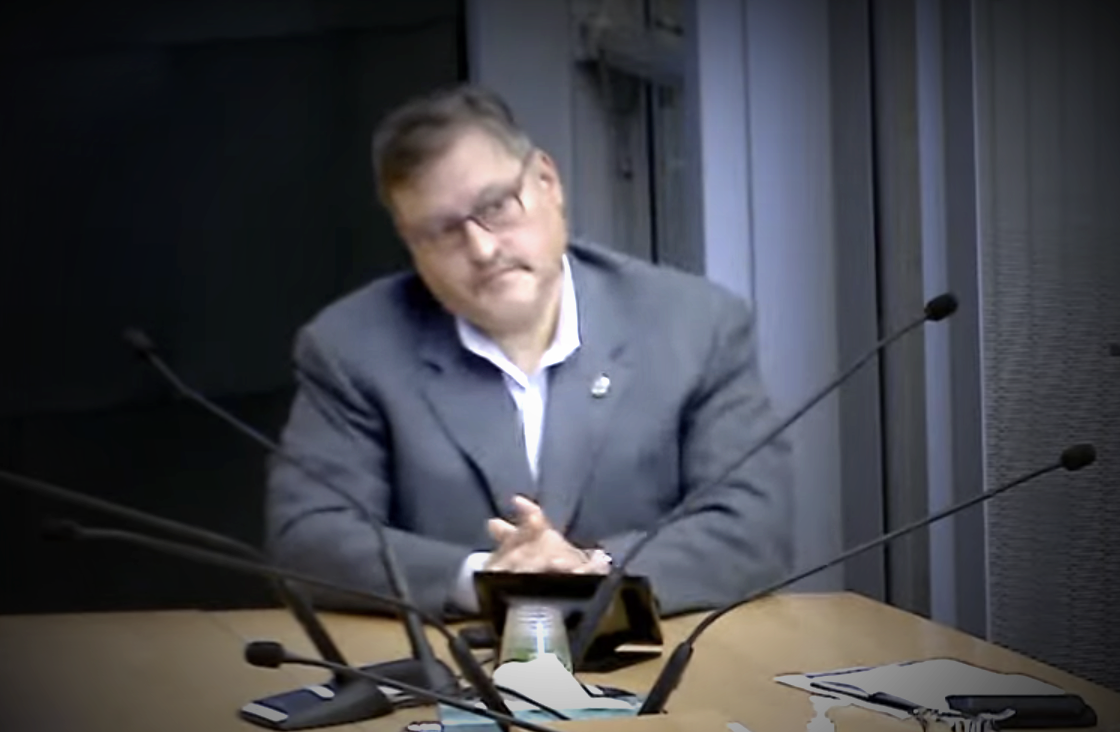
 Glen Stellmacher
 Glen Stellmacher