
Document Outlines How FBI Agents Are Investigated For Crimes Or Misconduct

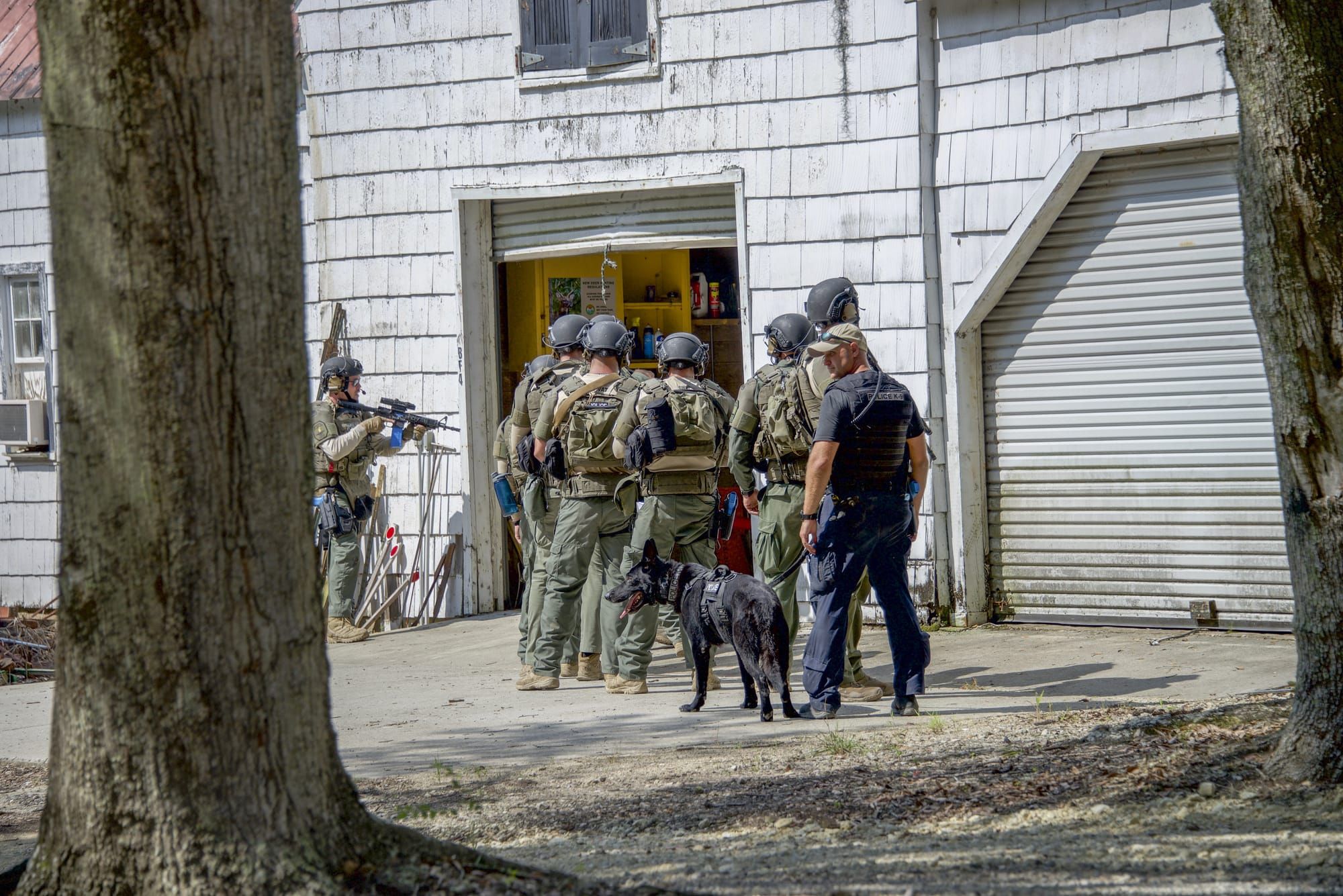
Agents of the Federal Bureau of Investigation (FBI) hold immense power to infiltrate society, surveil, deceive, coerce members of the public, and empower violent criminals through informant agreements. But what happens if an agent is accused of a crime or violating FBI policy while on the job?
HardPressed has obtained FBI training materials from 2020 through a public records request that outline the FBI's process for internal investigations. This appears to be the first time these training materials have ever been reported.
The internal training materials outline the FBI's Internal Investigations Section (IIS).
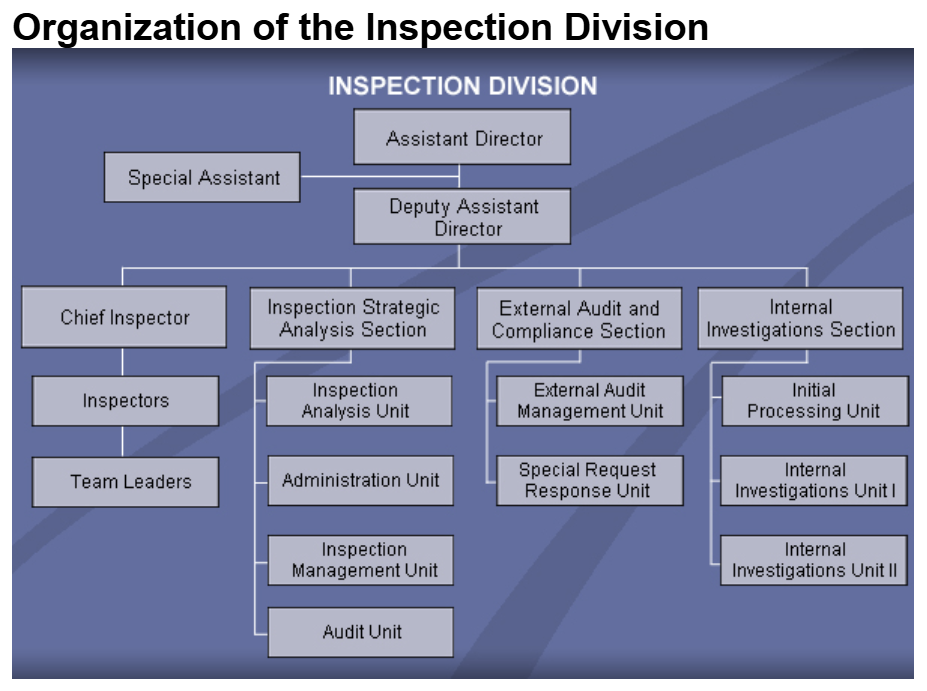
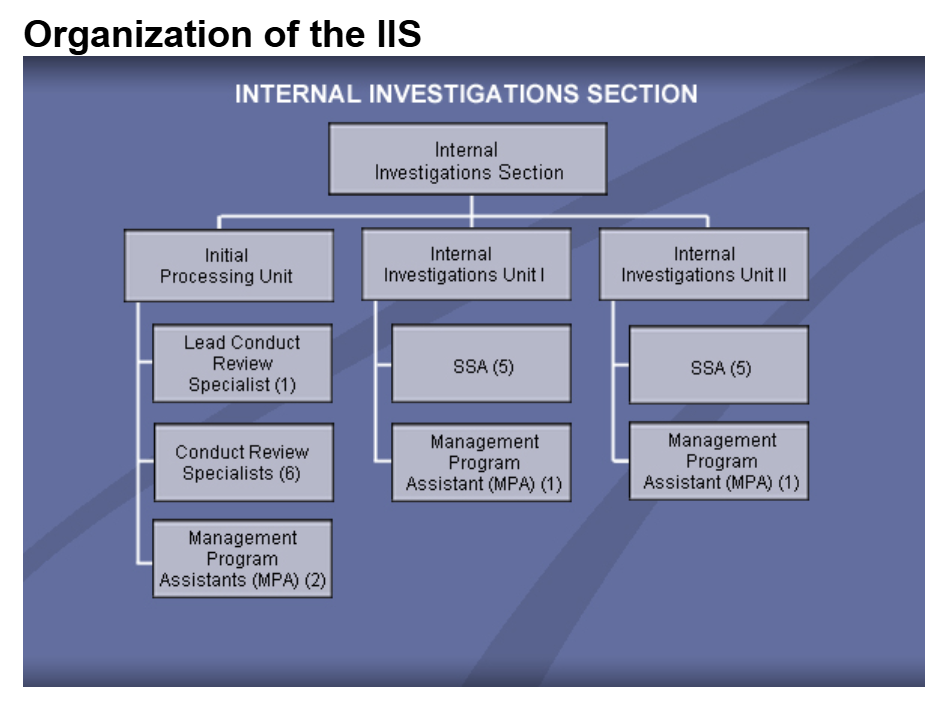
All copies of internal FBI complaints are first forwarded to the Department of Justice Office of Inspector General (DOJ-OIG) for a criminal review. The DOJ-OIG can decide to take on the case or pass it to the FBI's IIS.
FBI employees are required to swear an oath prior to any internal administrative investigation interview and can voluntarily chose to take a polygraph examination. However, "a negative inference may be drawn in the adjudication process, if the employee refuses to submit to" a polygraph test.
Within an administrative investigation, a FD-645 form issued to an employee compels them to provide information, however, the FBI training document states that "neither your statements nor any information or evidence gained by reason of your statements can be used against you in any criminal proceedings, except that if you knowingly and willfully provide false statements or information, you may be subject to criminal prosecution for that action."
These are called Garrity rights.
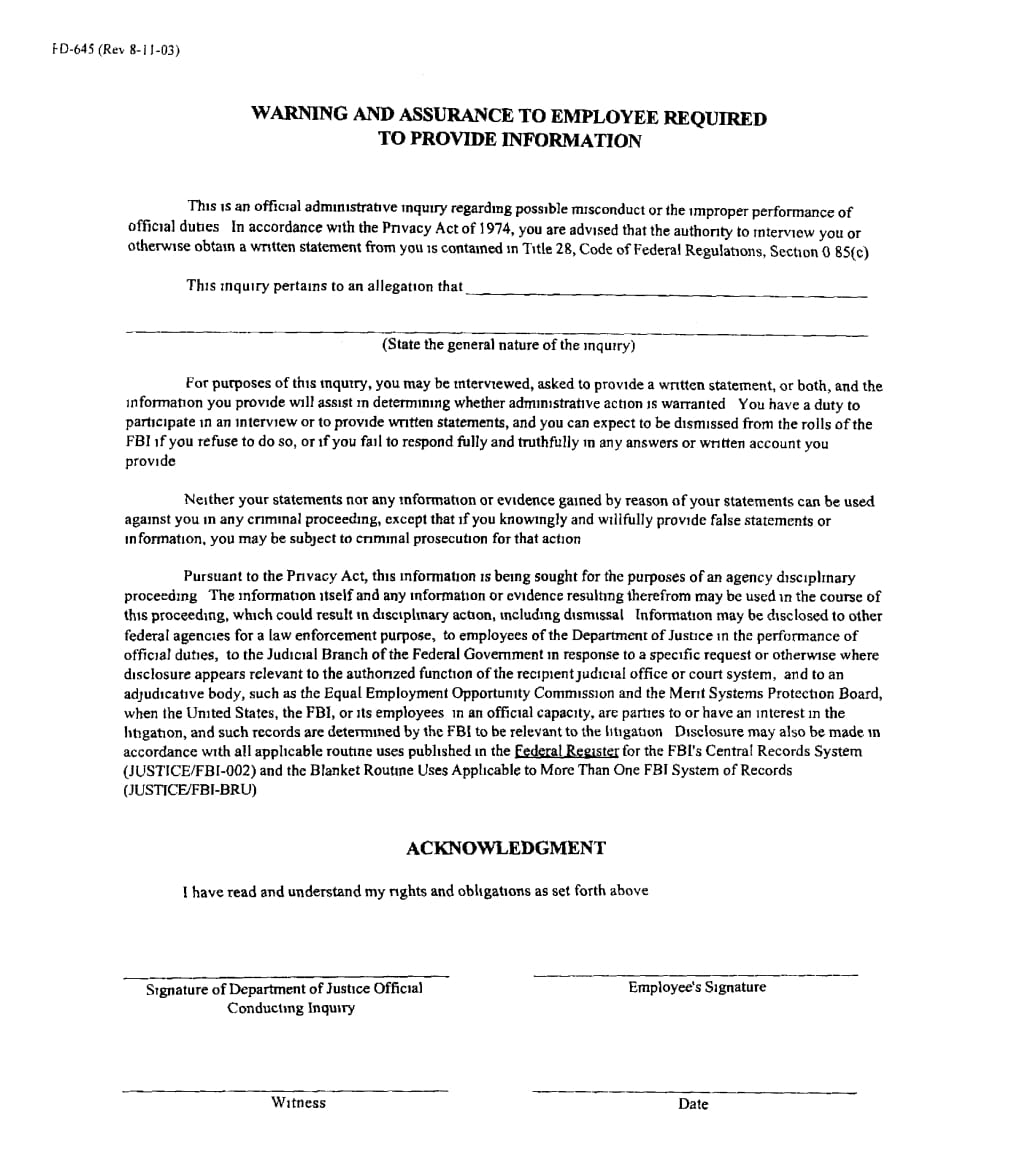
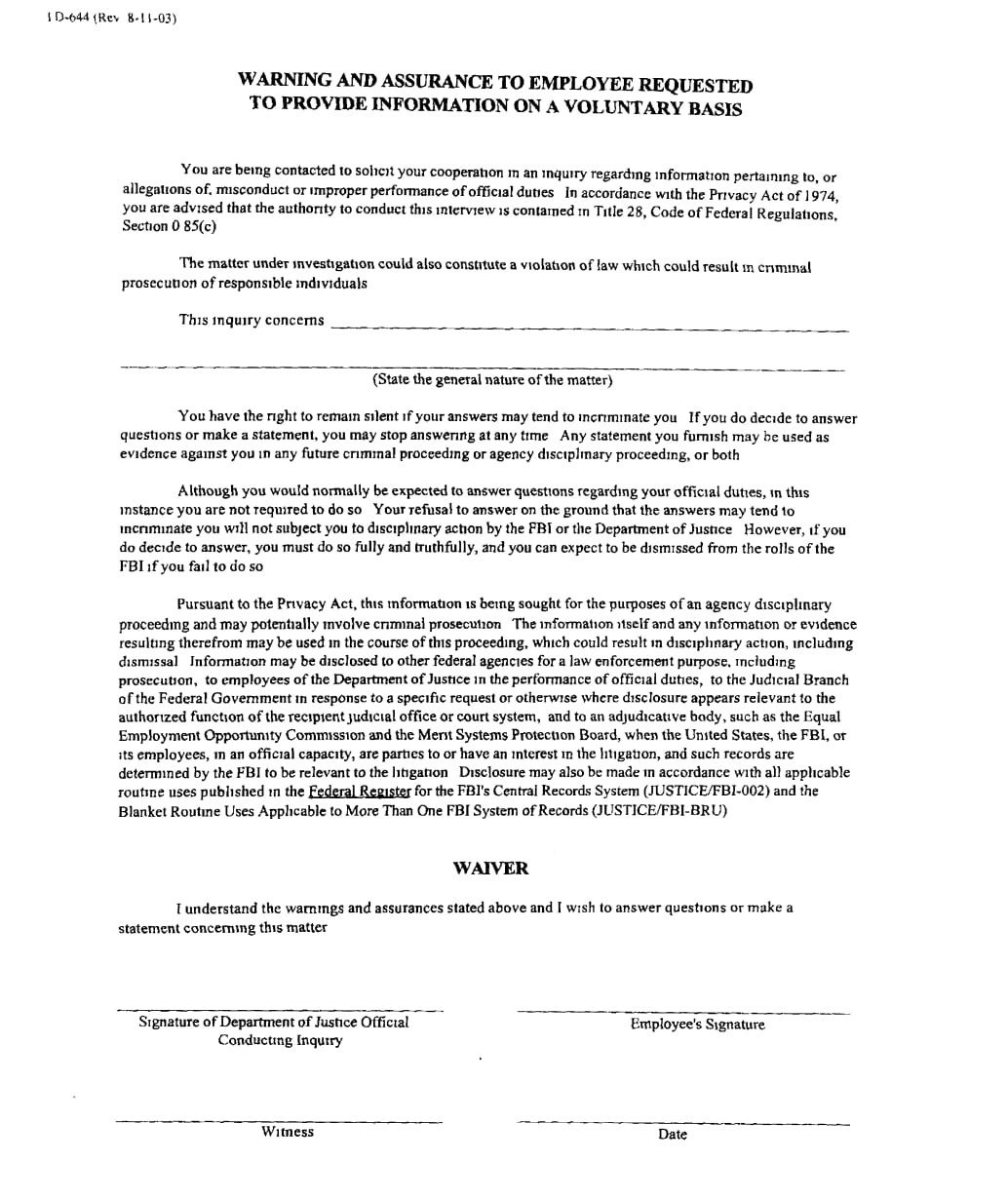
FBI FD-644 & FD-645 forms. Source: https://www.governmentattic.org/44docs/FBIforms_2003-4.pdf
If the FBI employee is the subject of a criminal investigation, a FD-644 form is provided, requesting the employee provide information on a voluntary basis. "The employee’s signature on the FD-644 acknowledges that the employee is not compelled to participate in the criminal inquiry," the training document states. "Any statements made by the employee during the criminal inquiry may be used directly against the employee in a criminal proceeding."
Misconduct can be reported to the FBI IIS from citizens, FBI employees, the U.S. Attorney's Office, the DOJ-OIG, members of Congress, the White House, or other government agencies.
If an FBI employee is found guilty of administrative misconduct or a criminal offense, they are subject to a matrix of disciplinary penalties up to termination.