
‘Egregious’ And ‘Reckless’: California Parole Board Denies Hearing Based On ‘Potential False Positive’ Drug Test Results

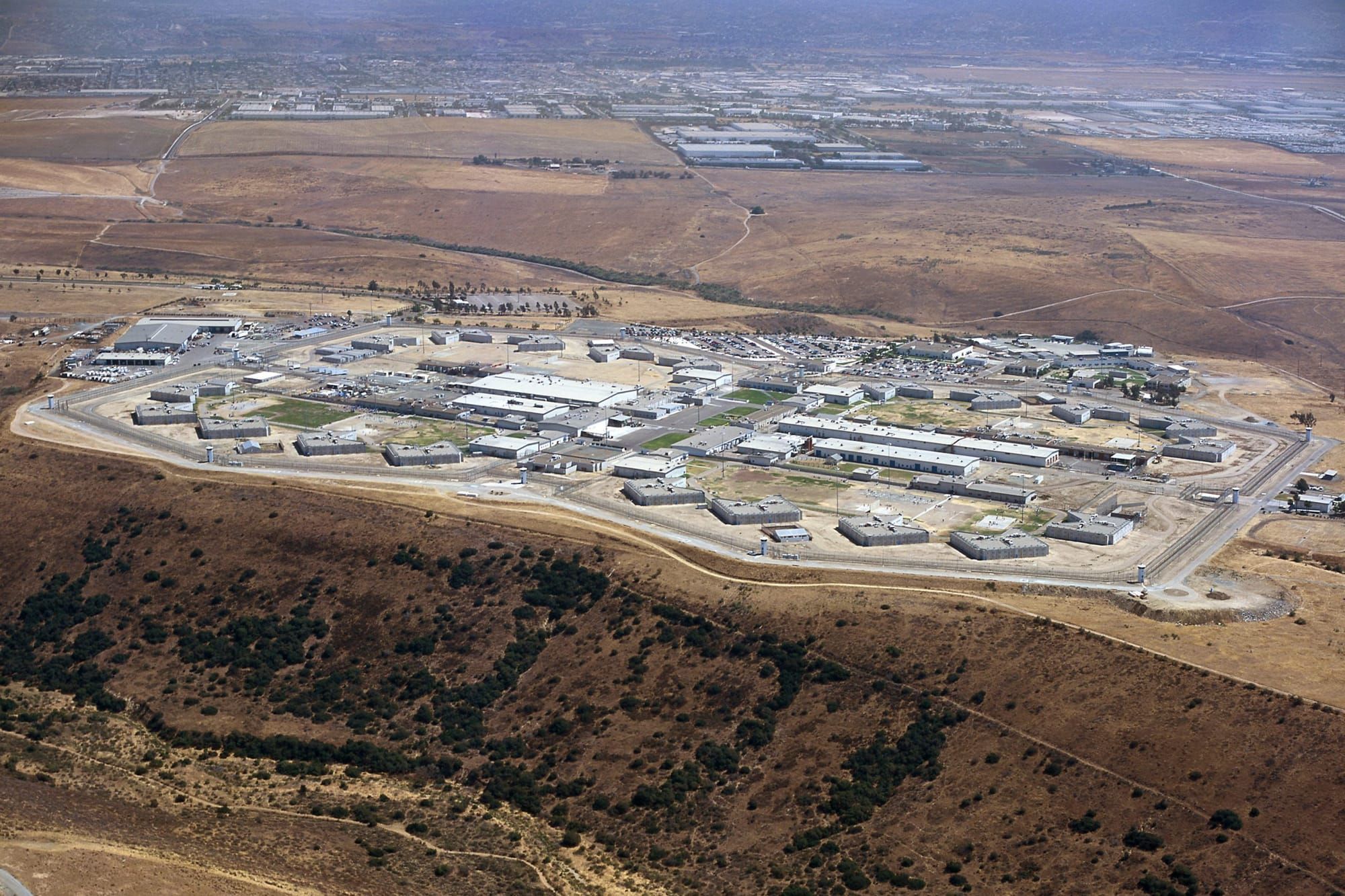
Over the past few months, I've been tirelessly working on an investigative report from behind bars in California. Advocates say the state is weaponizing people's own personal health care choices against them, cherry picking details from medical records, and using it as the sole justification to deny someone their freedom after decades in captivity.
Yesterday Prism published our report:
 Glen Stellmacher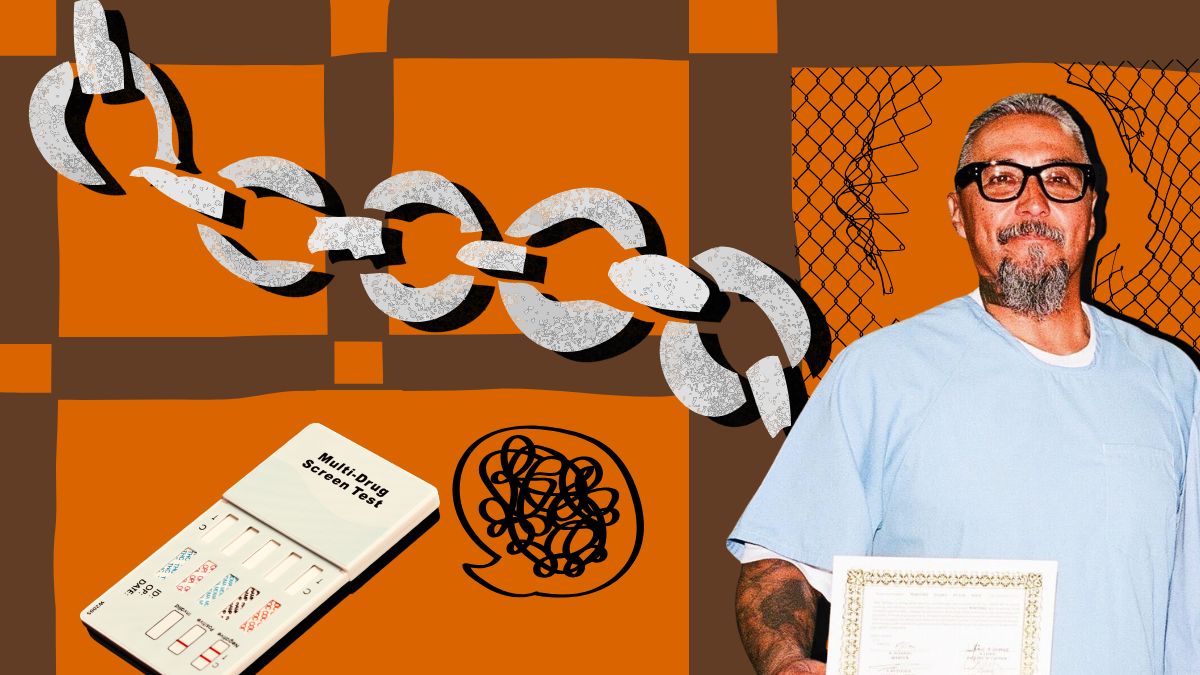
I say our because this reporting relies on a lot of labor from a lot of people. UnCommon Law first brought this problem into the sunlight and continues to work with people behind bars.
Fact checking this took significant energy. Roque also invested his own time and money to get his story out, printing records and mailing them over many months.
In one case, mail Roque sent me mysteriously vanished over weeks and was later returned to him. In another case, mail Roque sent me appeared to be seriously tampered with, and included other documents from other inmates that Roque did not send me. One of those documents was a full letter, from another inmate, stamped and addressed to someone who was not me. I forwarded this letter to its intended recipient.
When I asked about the mail tampering, CDCR said they would not outright investigate on their own without a grievance submitted from someone behind bars.
"The mailroom only logs legal and certified mail; therefore, records are not made for regular outgoing mail. If mail was deemed to be tampered with it would have been returned to the incarcerated person with a written notice," a CDCR official told me. "For these allegations to be reviewed the incarcerated person would need to file a grievance and provide specific information regarding the issue."
Roque did file a grievance but CDCR did not respond when asked about the status of the investigation.
"All mail received from incarcerated persons is sealed and placed in a box for the post office to pick up," the CDCR official told me.
All the mail Roque sent to me arrived open and unsealed.
Mail that Michael Perez sent me weeks ago still has not arrived.
This type of reporting is grinding, slow, plagued by delays and daily indignities. A printer might be out of ink at the prison library for days at a time. Lockdowns affect access to communication.
If you pull on one thread of this story, spools of twine start to unravel. There will be more to come.