
Special Deputation File Outlines Limits Of FBI Task Force Officers

Any local police department can serve as a clearinghouse for federal informants. Once onboard, informants can make a career helping to advance the head-scratching mission of "national security."
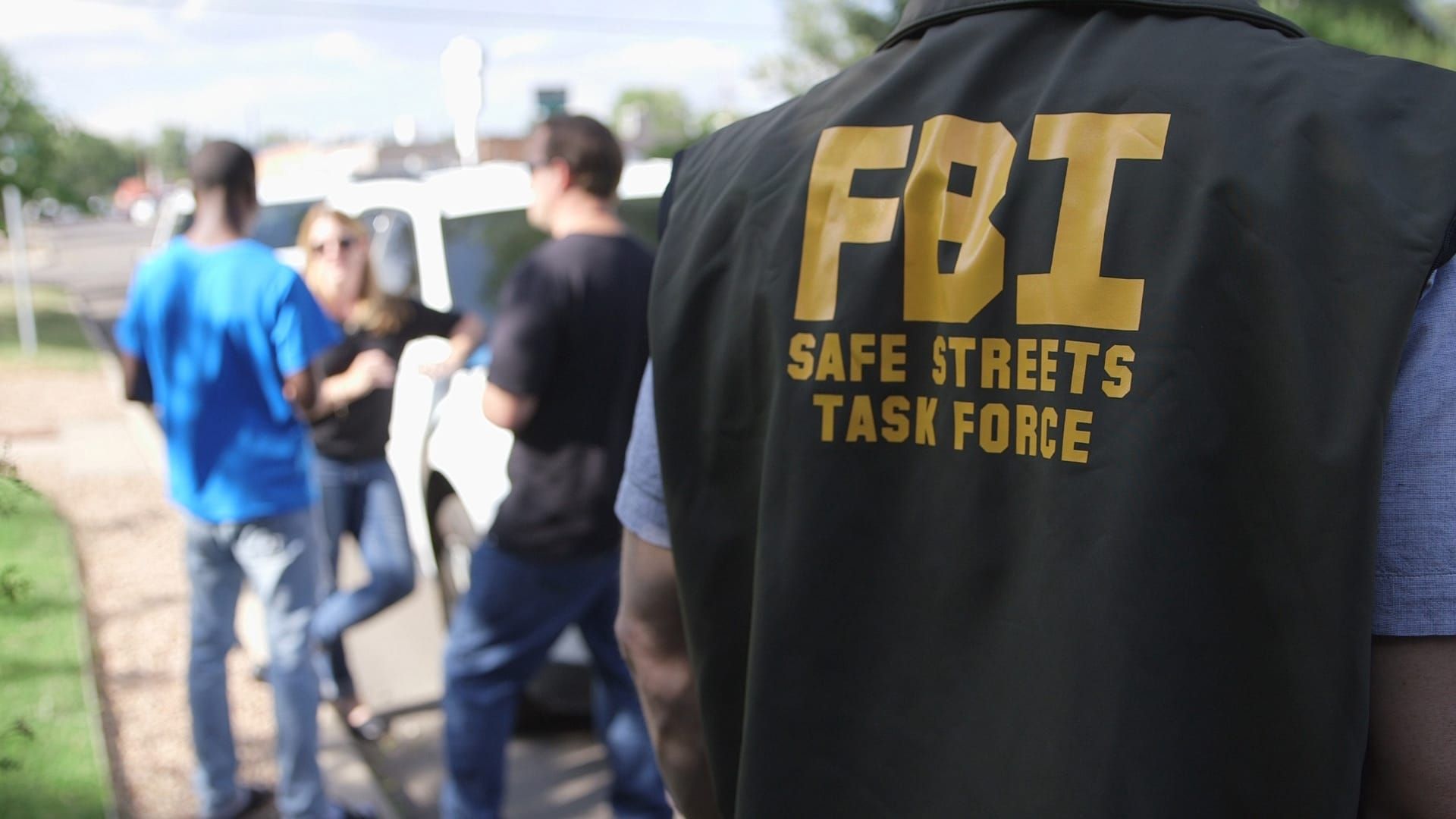
Federal task forces, such as the Safe Streets Task Force, Joint Terrorism Task Force, and the Child Exploitation Human Trafficking Task Force all rely on a coterie of local cops, deputized as federal agents.
Following this paper trail, HardPressed has aimed to understand the process and procedure involved in granting local police the extraordinary powers and resources of federal law enforcement, now under the directives of NSPM-7.
In March of this year, the United States Marshals Service told HardPressed that it would not disclose Special Deputation Files of federal task force officers in Washington State. These files would identify all federal task force officers who hold special powers.
However, yesterday, HardPressed received an example of an FBI deputation request from the Auburn Police Department. The files highlight the existence of yet another FBI task force, the Sound Regional Violent Crimes Task Force, and provide an example pathway for how special deputation records can be obtained locally through the power of the Washington State Public Records Act.
The records, including an FBI form FD-815, relate to FBI deputation for an organized crime and drug enforcement case under U.S.C. Title 21.
They reveal that "deputation authority granted to an SFO [Special Federal Officer] is restricted to specifically designated cases, which must be listed by file number on the FD-739 (Oath of Office and Credential - Special Deputation) and FD-739a (Credential Card). The SFO is prohibited from assisting on any investigation not reflected on these forms unless doing so under his/her normal police powers. Field Offices may list new cases on the FD-739 and FD-739a."
"Unless otherwise specified, all FBI deputations automatically expire on October 1 of the second 12-month period in which the deputation was approved by the SAC [Special Agent in Charge]. This expiration date appears on the FD-739 and FD-739a," the file states.
FBI task force officers are also "not authorized to travel out of state on official business unless accompanied by an FBI Special Agent, or unless the travel is specially approved by the FBI case supervisor," according to the deputation files.
The records also show that following deputation, any "unilateral action by an SFO in his/her capacity as SFO is not authorized."